

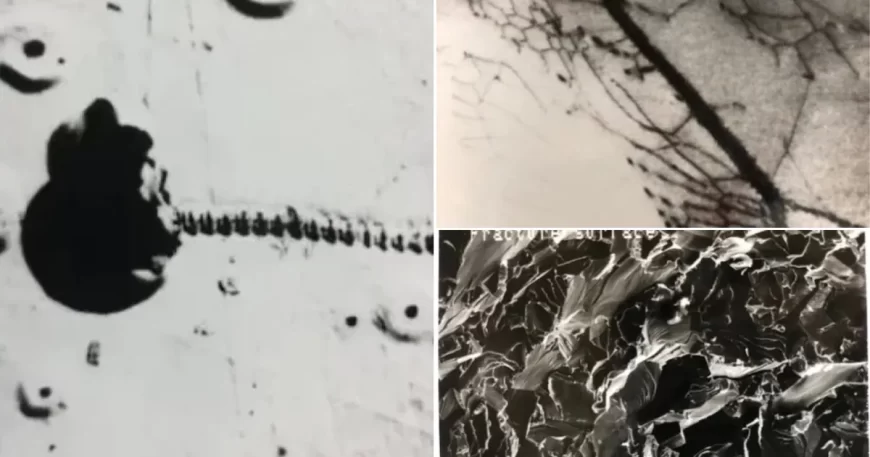
Hydrogen Embrittlement Failures and Their Impact on Productivity and Safety
Hydrogen embrittlement (HE) is a critical materials degradation phenomenon that can lead to sudden and unexpected metal failures. Unlike visible corrosion or wear, hydrogen embrittlement weakens metals internally, often causing fracture at stress levels far below the material’s yield strength. These failures can occur without warning, posing serious risks to safety, reliability, and productivity across multiple industries.
At Corrosion Testing and Solutions LLC (CT&S), we help organizations identify susceptibility to hydrogen embrittlement and take preventive measures before failures occur.
Understanding Hydrogen Embrittlement
Hydrogen embrittlement occurs when hydrogen atoms are absorbed into a metal’s crystal lattice. Once inside, hydrogen reduces ductility and fracture resistance, making the material brittle and prone to cracking. Because hydrogen atoms are extremely small, they can easily diffuse into metals during manufacturing, processing, or service exposure.
The challenge with HE is that affected components may appear structurally sound until they fail suddenly under load. This makes hydrogen embrittlement particularly dangerous in critical applications.
Materials Most at Risk
Hydrogen embrittlement primarily affects high-strength materials, including:
- High-strength and hardened steels
- Titanium alloys
- Aluminum alloys
- Alloys of nickel, copper, niobium, and vanadium
These materials are commonly used in industries such as aerospace, automotive, oil and gas, marine, and infrastructure, where performance and safety are essential.
Real-World Consequences
Hydrogen embrittlement has been linked to numerous high-impact failures, including:
- Stress corrosion cracking in steel pipelines, where hydrogen accelerates crack initiation and growth
- Fastener failures in bridges, aircraft, and ships, particularly after electroplating or surface treatments
- Premature fracture of high-strength components exposed to hydrogen during manufacturing or service
Such failures can result in production downtime, costly repairs, safety incidents, and reputational damage.
How Hydrogen Enters Metals
Hydrogen exposure can occur at various stages, including:
- Acid pickling and cleaning processes
- Electroplating and coating operations
- Welding and heat treatment
- Environmental exposure to moisture or corrosive conditions
Once absorbed, hydrogen can migrate through the metal, making detection and mitigation more complex.
Preventing Hydrogen Embrittlement
Effective control of hydrogen embrittlement requires a proactive approach:
- Minimizing hydrogen exposure during manufacturing and surface treatments
- Post-process bake-out procedures to remove absorbed hydrogen
- Careful material selection based on service conditions
- Testing and evaluation to identify susceptibility before deployment
Early detection and proper testing play a key role in preventing unexpected failures.
Hydrogen Embrittlement Testing at CT&S
Corrosion Testing and Solutions LLC provides advanced testing capabilities to evaluate hydrogen absorption, diffusion, and embrittlement susceptibility in metals. Our testing services help manufacturers and engineers make informed decisions, reduce risk, and improve component reliability.
By identifying hydrogen-related vulnerabilities early, CT&S supports safer operations, longer service life, and improved productivity.