Month: January 2026

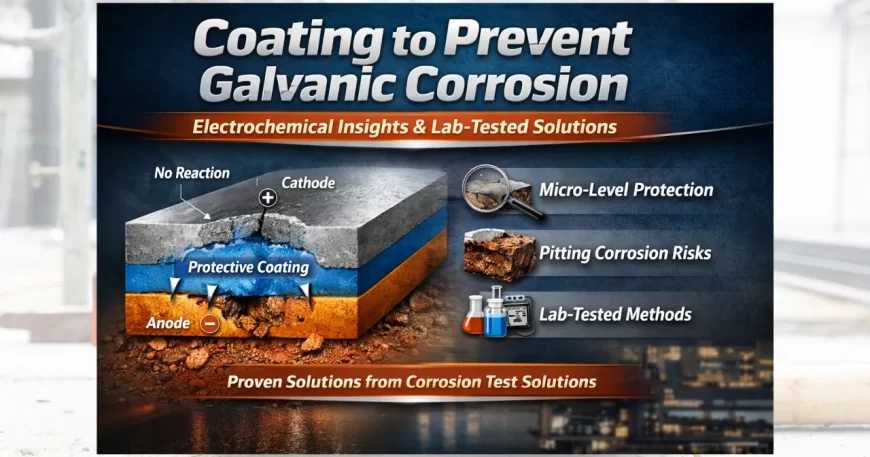
Coating to prevent galvanic corrosion showing electrochemical protection between dissimilar metals with lab-tested corrosion control methods

Electrochemical Insights-How Coatings Stop Galvanic Corrosion at the Micro Level

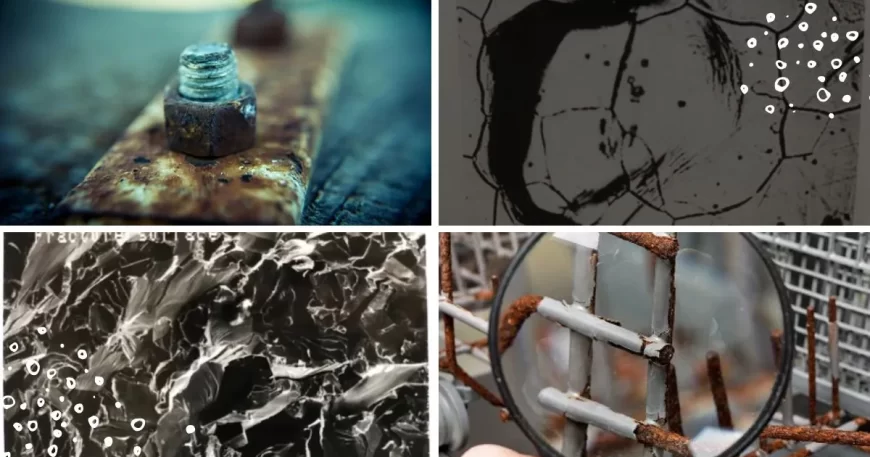
Galvanic corrosion isn’t always loud or obvious. Often, it starts quietly, at the junction where two metals meet, and only becomes a problem once it’s eaten through a component or creates a costly failure. At Corrosion Test Solutions, we see this every day. Metals that seem solid on the surface can hide aggressive electrochemical activity […]
Read More +
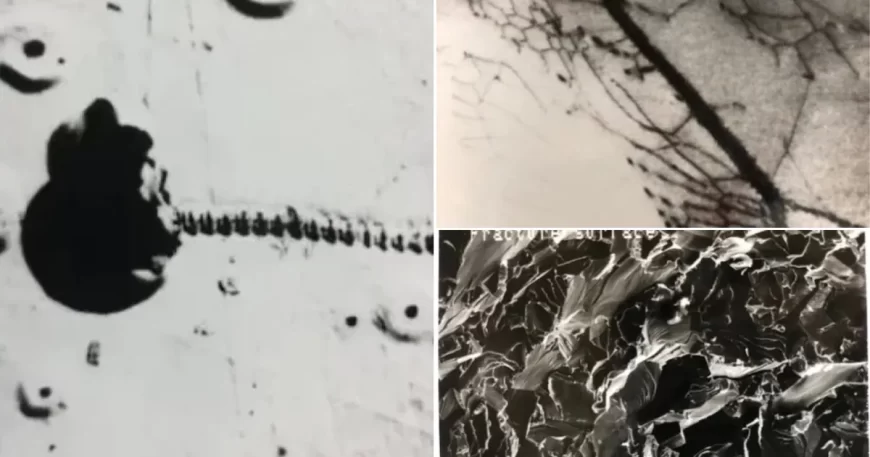
Hydrogen atoms diffusing through metal crystal lattice

Impact of Hydrogen Absorption and Diffusion in Metals

Impact of Hydrogen Absorption and Diffusion in Metals Hydrogen absorption and diffusion in metals is a critical issue that can significantly compromise structural integrity, performance, and safety. Although hydrogen is the smallest and lightest element, its interaction with metals can lead to severe mechanical degradation, including brittle fracture and premature failure. These effects are especially […]
Read More +
Technician at CT&S Wisconsin lab conducting hydrogen embrittlement testing on steel

Hydrogen Embrittlement Failures and Their Impact on Productivity and Safety

Hydrogen Embrittlement Failures and Their Impact on Productivity and Safety Hydrogen embrittlement (HE) is a critical materials degradation phenomenon that can lead to sudden and unexpected metal failures. Unlike visible corrosion or wear, hydrogen embrittlement weakens metals internally, often causing fracture at stress levels far below the material’s yield strength. These failures can occur without […]
Read More +